Downtown Los Angeles
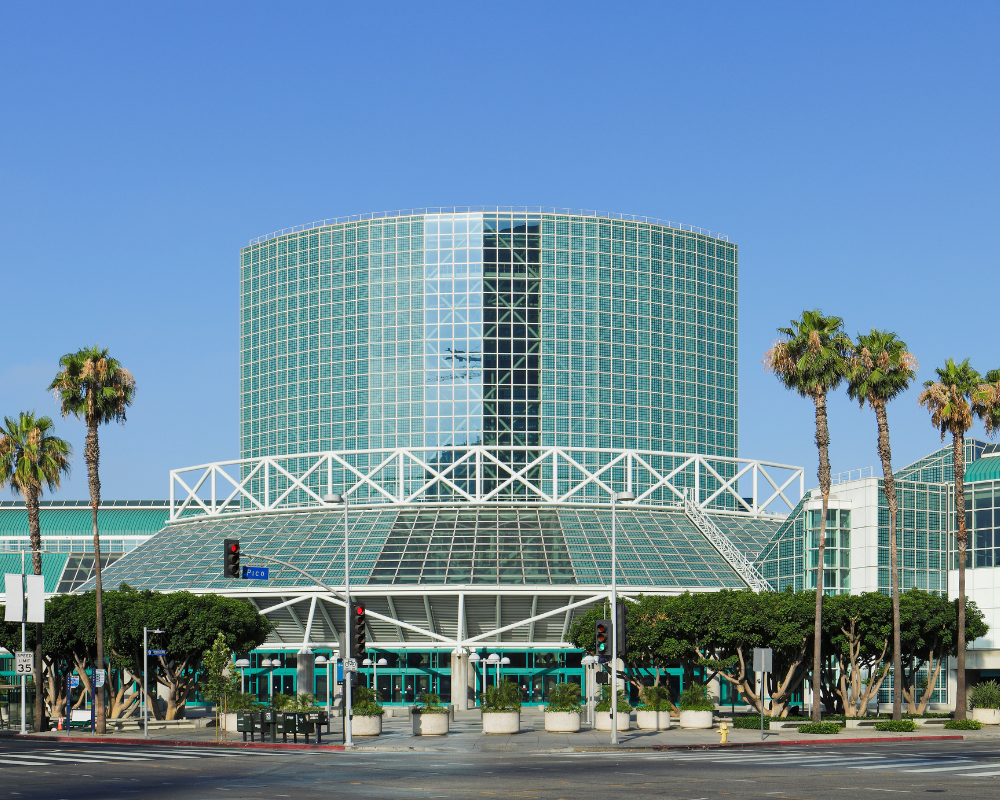
Downtown Los Angeles is entering a different phase than it was even a few years ago. With multiple 2028 Olympic venues concentrated in and around the core, global attention is already influencing how people, capital, and businesses view the Downtown Los Angeles commercial real estate market. That visibility matters, but what matters more for property owners is how it changes tenant demand and leasing behavior on the ground.
Infrastructure and policy updates are reshaping how space is used and how quickly it absorbs. The DTLA 2040 Community Plan has expanded flexibility across zoning, density, and adaptive reuse, directly affecting how older commercial buildings compete with newer product. At the same time, the Metro Regional Connector is improving transit access throughout Downtown LA, widening the labor pool and increasing daily activity across key corridors.
For owners, these changes show up in practical ways. Certain locations see stronger tenant interest while others require clearer positioning. Parking expectations shift. Uses that once struggled may now make sense. Buildings that align with how tenants actually move through Downtown Los Angeles tend to experience steadier demand and fewer prolonged vacancies.
Downtown still requires discipline. Financing, construction costs, and timelines matter. But owners who understand how zoning changes, transit access, and tenant behavior intersect are better equipped to lease space, retain occupants, and plan improvements that support long term property performance.
Long Beach
Long Beach is experiencing a steady buildup rather than a sudden spike. As an Olympic host city, it benefits from long term infrastructure investment that is already underway through the Elevate 28 initiative. Parks, waterfront areas, transit improvements, and civic assets are being upgraded in ways that affect how residents, visitors, and businesses use the Long Beach commercial real estate market.
For property owners and operators, this type of investment often leads to gradual but meaningful shifts in demand. Areas connected to improved mobility and public spaces tend to see stronger tenant interest and longer lease terms. Hospitality, mixed-use, and residential assets may benefit from increased activity tied to tourism and events, while well located commercial properties can see improved leasing velocity as the city
becomes easier to navigate.
That said, Long Beach is not immune to broader market pressures. Office demand continues to adjust and certain property types may face periods of oversupply. Owners who track these shifts closely and understand which submarkets are improving versus which are leveling off are better positioned to manage risk and maintain occupancy.
Inglewood
Inglewood offers a different story. Much of its Olympic driven growth has already begun. Major projects like SoFi Stadium, Intuit Dome, and Hollywood Park have reshaped the area’s identity and brought consistent activity to the Inglewood commercial real estate market. The Crenshaw/LAX Metro Line has improved access, connecting residents and workers more efficiently to surrounding employment centers.
For owners and property managers, this level of investment changes expectations. Tenant demand often follows visibility and accessibility, but competition increases as more capital enters the market. Rents may rise, but acquisition costs and operating pressures tend to rise as well. Positioning becomes more important than timing alone.
There are also real considerations tied to affordability and perception. In some areas, public narratives have not fully kept pace with active progress. Owners who understand where perception lags reality are often better positioned to recognize opportunity and plan accordingly.
In Inglewood, strong performance tends to favor owners who stay informed, listen to tenant needs, and manage assets with a long-term perspective rather than reacting to short-term momentum.
If you own or operate property in Los Angeles County and want a clearer view of how these shifts affect your asset, a simple conversation can often surface opportunities that aren’t obvious from the outside.
Our team works closely with owners to understand their buildings, their tenants, and the markets they operate in. When the timing is right, we’re happy to talk.