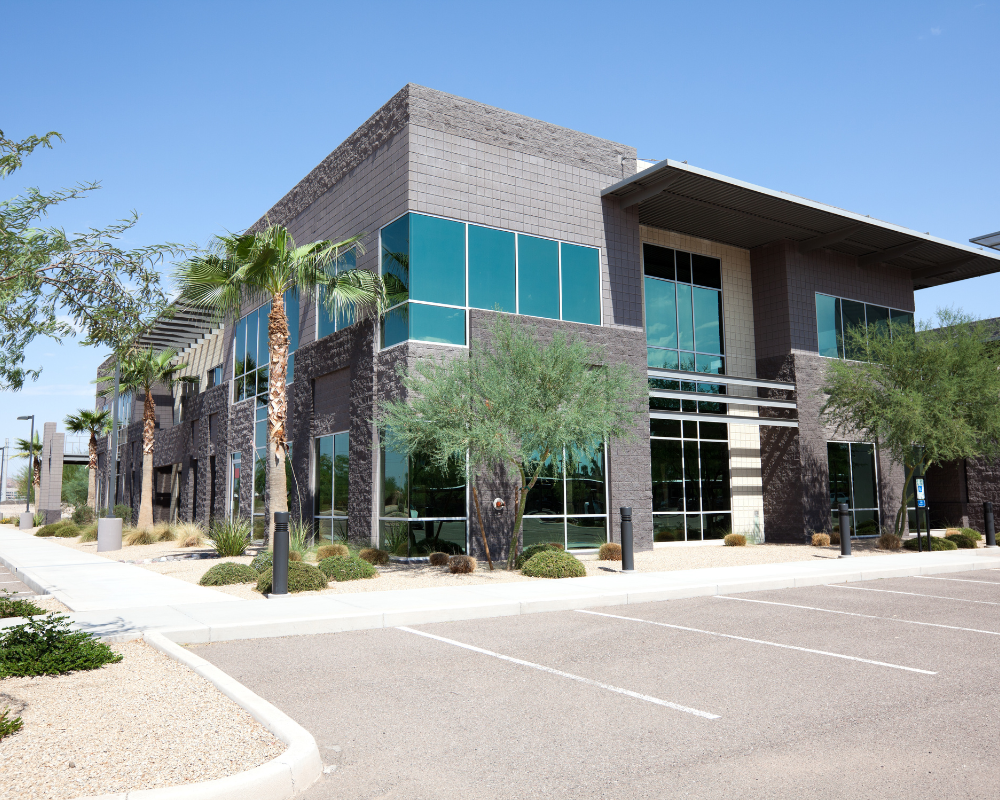
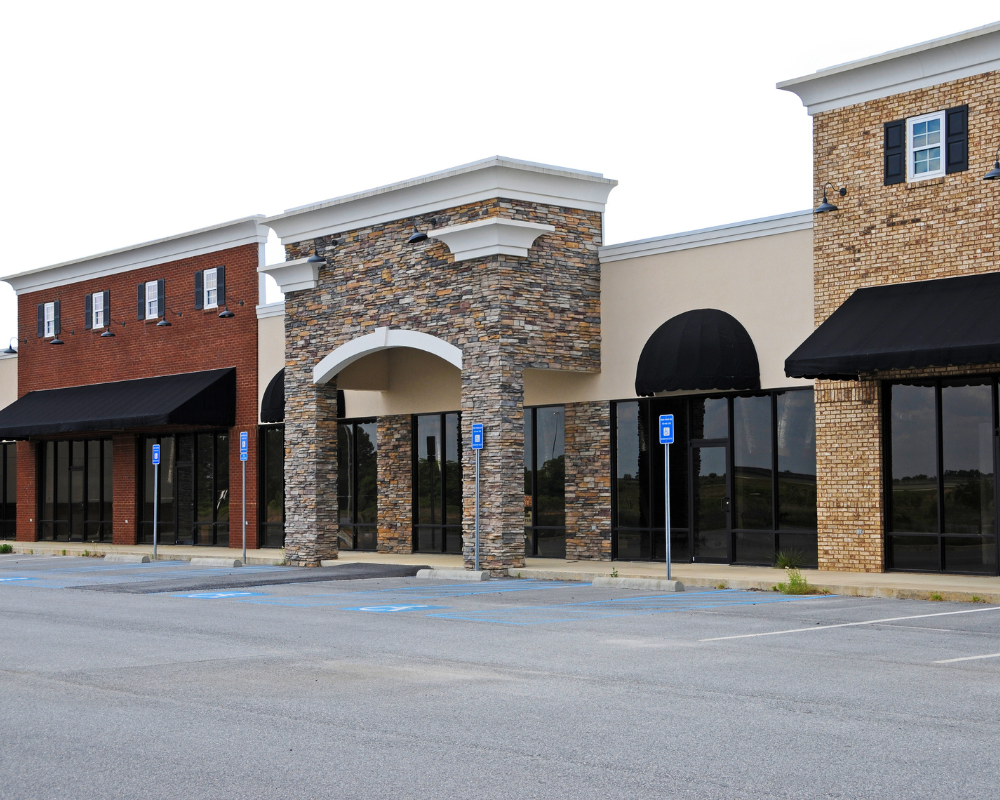
Every property has its own rhythm, and periodically stepping back to evaluate whether the current approach aligns with performance expectations is essential. Minor performance deviations often serve as valuable indicators, enabling teams to implement timely corrective adjustments. This is an opportune time to analyze key metrics such as occupancy trends, energy usage intensity, and data integration to gain a more comprehensive understanding of overall asset health.
Vacancy Patterns and Market Signals
Elevated vacancy rates are a natural part of a property’s lifecycle. While they may initially feel disruptive, they often reveal important market dynamics. In competitive markets such as Los Angeles or the Bay Area, even modest departures from submarket averages can signal the need to refine positioning or adjust leasing strategy. Identifying these patterns early allows management teams to respond proactively, protecting tenant mix and supporting cash flow stability. This helps maintain the property’s competitive standing in changing market conditions.
Maintenance and Operational Resilience
Repairs keep properties in good shape, but recurring patterns matter more than individual events. When the same issues occur outside of scheduled updates, costs rise and tenant satisfaction may decline. Taking a proactive look at capital expenditures and addressing root causes promotes smoother operations and a more consistent tenant experience. Timing these investments during slower market cycles also helps control costs while maintaining productivity.
Communication That Creates Confidence
Even in hectic schedules, delayed communication adds stress and limits the ability to plan strategically. Providing comprehensive, timely updates on meaningful issues helps owners act effectively. The focus is less on frequent reporting and more on delivering the right information at the right time. This builds transparency and gives property owners the confidence and peace of mind they need.
Tenant Turnover and Strategic Positioning
Tenant movement is expected, but higher than anticipated turnover requires careful attention. In dynamic California markets such as Orange County or San Diego County, it may reflect evolving tenant preferences, rent structure feedback , or how the property is being managed. Understanding why tenants leave saves time and money and avoids repeated setbacks.
Adapting to Market and Regulatory Shifts
California is a high-barrier, competitive market that is continuously adapting. Rising interest rates, insurance costs, and changing tenant patterns make adaptive planning essential. Strategies that worked a few years ago may no longer achieve the same results. Consistent reviews help owners stay ahead of market and regulatory changes, keeping the property efficient, resilient, and well positioned for the long term.
Rethinking Doesn’t Mean Replacing
Reassessment can feel like added pressure, but it reflects disciplined ownership. In many cases, the process affirms what’s performing; in others, it reveals areas to refine. In either scenario, a defined framework sharpens decision-making. At LBRE Capital, we support California property owners through these moments with market perspective. Our engagement ranges from operational oversight to strategic counsel. The objective is sustained alignment between ownership goals and current market realities.